I long to hold some lady
For my love is far away,
And will not come tomorrow
And was not here today.
There is no flesh so perfect
As on my lady's bone,
And yet it seems so distant
When I am all alone:
As though she were a masterpiece
In some castled town,
That pilgrims come to visit
And priests to copy down.
Alas, I cannot travel
To a love I have so deep
Or sleep too close beside
A love I want to keep.
But I long to hold some lady,
For flesh is warm and sweet.
Cold skeletons go marching
Each night beside my feet.
-- Leonard Cohen (from "The Spice Box of Earth")
Showing posts with label My favorite poetry. Show all posts
Showing posts with label My favorite poetry. Show all posts
Friday, July 12, 2013


Waiting for Marianne
I have lost a telephone
with your smell in it
I am living beside the radio
all the stations at once
but I pick out a Polish lullaby
I pick it out of the static
it fades I wait I keep the beat
it comes back almost asleep
Did you take the telephone
knowing I'd sniff it immoderately
maybe heat up the plastic
to get all the crumbs of your breath
and if you won't come back
how will you phone to say
you won't come back
so that I could at least argue
-- Leonard Cohen (from "Flowers for Hitler")
with your smell in it
I am living beside the radio
all the stations at once
but I pick out a Polish lullaby
I pick it out of the static
it fades I wait I keep the beat
it comes back almost asleep
Did you take the telephone
knowing I'd sniff it immoderately
maybe heat up the plastic
to get all the crumbs of your breath
and if you won't come back
how will you phone to say
you won't come back
so that I could at least argue
-- Leonard Cohen (from "Flowers for Hitler")
The Genius
For you
I will be a ghetto jew
and dance
and put white stockings
on my twisted limbs
and poison wells
across the town
For you
I will be an apostate jew
and tell the Spanish priest
of the blood vow
in the Talmud
and where the bones
of the child are hid
For you
I will be a banker jew
and bring to ruin
a proud old hunting king
and end his line
For you
I will be a Broadway jew
and cry in theatres
for my mother
and sell bargain goods
beneath the counter
For you
I will be a doctor jew
and search
in all the garbage cans for foreskins
to sew back again
For you
I will be a Dachau jew
and lie down in lime
with twisted limbs
and bloated pain
no mind can understand
-- Leonard Cohen (from "The Spice-Box of Earth")
I will be a ghetto jew
and dance
and put white stockings
on my twisted limbs
and poison wells
across the town
For you
I will be an apostate jew
and tell the Spanish priest
of the blood vow
in the Talmud
and where the bones
of the child are hid
For you
I will be a banker jew
and bring to ruin
a proud old hunting king
and end his line
For you
I will be a Broadway jew
and cry in theatres
for my mother
and sell bargain goods
beneath the counter
For you
I will be a doctor jew
and search
in all the garbage cans for foreskins
to sew back again
For you
I will be a Dachau jew
and lie down in lime
with twisted limbs
and bloated pain
no mind can understand
-- Leonard Cohen (from "The Spice-Box of Earth")
Saturday, October 22, 2011
Song of Myself (6)
A child said, What is the grass? fetching it to me with full hands;
How could I answer the child?....I do not know what it is any
more than he.
I guess it must be the flag of my disposition, out of hopeful green
stuff woven.
Or I guess it is the handkerchief of the Lord,
A scented gift and remembrancer designedly dropped,
Bearing the owner's name someway in the corners, that we may see
and remark, and say Whose?
Or I guess the grass is itself a child....the produced babe of the
vegetation.
Or I guess it is a uniform hieroglyphyic,
And it means, Sprouting alike in broad zones and narrow zones,
Growing among black folks as among white,
Kanuck, Tuckahoe, Congressman, Cuff, I give them the same, I
receive them the same.
And now it seems to me the beautiful uncut hair of grass.
Tenderly will I use you curling grass,
It may be you transpire from the breasts of young men,
It may be if I had known them I would have loved them;
It may be you are from old people and from women, and from
offspring taken soon out of their mothers' laps,
And here you are the mothers' laps.
This grass is very dark to be from the white heads of old mothers,
Darker than the colourless beards of old men,
Dark to come from under the faint red roofs of mouths.
O I perceive after all so many uttering tongues!
And I perceive they do not come from the roofs of mouths for
nothing.
I wish I could translate the hints about the dead young men and
women,
And the hints about old men and mothers, and the offspring taken
soon out of their laps.
What do you think has become of the young and old men?
And what do you think has become of the women and children?
They are alive and well somewhere;
The smallest sprout shows there is really no death,
And if ever there was it led forward life, and does not wait at the end
to arrest it,
And cease the moment life appeared.
All goes onward and outward....and nothing collapses,
And to die is different from what any one supposed, and luckier.
By Walt Whitman from Song of Myself
Blogger doesn't let me insert space breaks, my apologies!
How could I answer the child?....I do not know what it is any
more than he.
I guess it must be the flag of my disposition, out of hopeful green
stuff woven.
Or I guess it is the handkerchief of the Lord,
A scented gift and remembrancer designedly dropped,
Bearing the owner's name someway in the corners, that we may see
and remark, and say Whose?
Or I guess the grass is itself a child....the produced babe of the
vegetation.
Or I guess it is a uniform hieroglyphyic,
And it means, Sprouting alike in broad zones and narrow zones,
Growing among black folks as among white,
Kanuck, Tuckahoe, Congressman, Cuff, I give them the same, I
receive them the same.
And now it seems to me the beautiful uncut hair of grass.
Tenderly will I use you curling grass,
It may be you transpire from the breasts of young men,
It may be if I had known them I would have loved them;
It may be you are from old people and from women, and from
offspring taken soon out of their mothers' laps,
And here you are the mothers' laps.
This grass is very dark to be from the white heads of old mothers,
Darker than the colourless beards of old men,
Dark to come from under the faint red roofs of mouths.
O I perceive after all so many uttering tongues!
And I perceive they do not come from the roofs of mouths for
nothing.
I wish I could translate the hints about the dead young men and
women,
And the hints about old men and mothers, and the offspring taken
soon out of their laps.
What do you think has become of the young and old men?
And what do you think has become of the women and children?
They are alive and well somewhere;
The smallest sprout shows there is really no death,
And if ever there was it led forward life, and does not wait at the end
to arrest it,
And cease the moment life appeared.
All goes onward and outward....and nothing collapses,
And to die is different from what any one supposed, and luckier.
By Walt Whitman from Song of Myself
Blogger doesn't let me insert space breaks, my apologies!
Monday, June 20, 2011
THE GRADIENT OF DREAMS
Nests. And a net thrown
neat around my neck.
It is night the concealed
voices are looking for.
Words are working out
against the napes of cries.
A withe of moment draws
me to an unknown throat.
In the dark a white, a
grief of lost. What is grace,
how dead, in this wanting
to be enough to reach across.
-- Jayanta Mahapatra (The False Start , Clearing House, 1980)
neat around my neck.
It is night the concealed
voices are looking for.
Words are working out
against the napes of cries.
A withe of moment draws
me to an unknown throat.
In the dark a white, a
grief of lost. What is grace,
how dead, in this wanting
to be enough to reach across.
-- Jayanta Mahapatra (The False Start , Clearing House, 1980)
Saturday, March 26, 2011
THE TEMPLE AND THE BODY
The rich
will make temples for Siva.
What shall I,
a poor man,
do?
My legs are pillars,
the body the shrine,
the head a cupola
of gold.
Listen, O lord of the meeting rivers,
things standing shall fall,
but the moving ever shall stay.
-- BASAVANNA
(From "Speaking of Siva", translated by A.K. Ramanujan)
will make temples for Siva.
What shall I,
a poor man,
do?
My legs are pillars,
the body the shrine,
the head a cupola
of gold.
Listen, O lord of the meeting rivers,
things standing shall fall,
but the moving ever shall stay.
-- BASAVANNA
(From "Speaking of Siva", translated by A.K. Ramanujan)
Saturday, March 5, 2011
The washerwoman beats the laundry
A lavadeira no tanque
Bate roupa em pedra bem.
Canta porque canta, e é triste
Porque canta porque existe;
Por isso é alegre também.
Ora se eu alguma vez
Pudesse fazer nos versos
O que a essa roupa ela fez,
Eu perderia talvez
Os meus destinos diversos.
Há uma grande unidade
Em, sem pensar nem razão,
E até cantando a metade,
Bater roupa em realidade...
Quem me lava o coração?
~~~~
The washwoman beats the laundry
Against the stone in the tank.
She sings because she sings and is sad
For she sings because she exists:
Thus she is also happy.
If I could do in verses
What she does with laundry,
Perhaps I would lose
My surfeit of fates.
Ah, the tremendous unity
Of beating laundry in reality,
Singing songs in whole or in part
Without any thought or reason!
But who will wash my heart?
By Fernando Pessoa (Tr, Richard Zenith from Fernando Pessoa & Co. – Selected Poems) from Poesia
Bate roupa em pedra bem.
Canta porque canta, e é triste
Porque canta porque existe;
Por isso é alegre também.
Ora se eu alguma vez
Pudesse fazer nos versos
O que a essa roupa ela fez,
Eu perderia talvez
Os meus destinos diversos.
Há uma grande unidade
Em, sem pensar nem razão,
E até cantando a metade,
Bater roupa em realidade...
Quem me lava o coração?
~~~~
The washwoman beats the laundry
Against the stone in the tank.
She sings because she sings and is sad
For she sings because she exists:
Thus she is also happy.
If I could do in verses
What she does with laundry,
Perhaps I would lose
My surfeit of fates.
Ah, the tremendous unity
Of beating laundry in reality,
Singing songs in whole or in part
Without any thought or reason!
But who will wash my heart?
By Fernando Pessoa (Tr, Richard Zenith from Fernando Pessoa & Co. – Selected Poems) from Poesia
OXFORDSHIRE
Quero o bem, e quero o mal, e afinal não quero nada.
Estou mal deitado sobre a direita, e mal deitado sobre a esquerda
E mal deitado sobre a consciência de existir.
Estou universalmente mal, metafisicamente mal,
Mas o pior é que me dói a cabeça.
Isso é mais grave que a significação do universo.
Uma vez, ao pé de Oxford, num passeio campestre,
Vi erguer-se, de uma curva da estrada, na distância próxima
A torre-velha de uma igreja acima de casas da aldeia ou vila.
Ficou-me fotográfico esse incidente nulo
Como uma dobra transversal escangalhando o vinco das calças.
Agora vem a propósito…
Da estrada eu previa espiritualidade a essa torre de igreja
Que era a fé de todas as eras, e a eficaz caridade.
Da vila, quando lá cheguei, a torre da igreja era a torre da igreja,
E, ainda por cima, estava ali.
É-se feliz na Austrália, desde que lá se não vá.
~~~~~~
I want the good, I want the bad, and in the end I want nothing.
I toss in bed, uncomfortable on my right side, on my left side,
And on my consciousness of existing.
I’m universally uncomfortable, metaphysically uncomfortable,
But what’s even worse is my headache.
That’s more serious than the meaning of the universe.
Once, while walking in the country around Oxford,
I saw up ahead, beyond a bend in the road,
A church steeple towering above the houses of a hamlet or village.
The photographic image of that non-event has remained with me
Like a horizontal wrinkle marring a trouser’s crease.
Today it seems relevant...
From the road I associated that steeple with spirituality,
The faith of all ages, and practical charity.
When I arrived at the village, the steeple was a steeple
And, what’s more, there it was.
You can be happy in Australia, as long as you don’t go there.
By Fernando Pessoa (Tr, Richard Zenith from A Little Larger Than the Entire Universe: Selected Poems)from Poesia
P.S. -- This is (in a way) via Sandhya D.N. read it on Poetry International Web, here
Estou mal deitado sobre a direita, e mal deitado sobre a esquerda
E mal deitado sobre a consciência de existir.
Estou universalmente mal, metafisicamente mal,
Mas o pior é que me dói a cabeça.
Isso é mais grave que a significação do universo.
Uma vez, ao pé de Oxford, num passeio campestre,
Vi erguer-se, de uma curva da estrada, na distância próxima
A torre-velha de uma igreja acima de casas da aldeia ou vila.
Ficou-me fotográfico esse incidente nulo
Como uma dobra transversal escangalhando o vinco das calças.
Agora vem a propósito…
Da estrada eu previa espiritualidade a essa torre de igreja
Que era a fé de todas as eras, e a eficaz caridade.
Da vila, quando lá cheguei, a torre da igreja era a torre da igreja,
E, ainda por cima, estava ali.
É-se feliz na Austrália, desde que lá se não vá.
~~~~~~
I want the good, I want the bad, and in the end I want nothing.
I toss in bed, uncomfortable on my right side, on my left side,
And on my consciousness of existing.
I’m universally uncomfortable, metaphysically uncomfortable,
But what’s even worse is my headache.
That’s more serious than the meaning of the universe.
Once, while walking in the country around Oxford,
I saw up ahead, beyond a bend in the road,
A church steeple towering above the houses of a hamlet or village.
The photographic image of that non-event has remained with me
Like a horizontal wrinkle marring a trouser’s crease.
Today it seems relevant...
From the road I associated that steeple with spirituality,
The faith of all ages, and practical charity.
When I arrived at the village, the steeple was a steeple
And, what’s more, there it was.
You can be happy in Australia, as long as you don’t go there.
By Fernando Pessoa (Tr, Richard Zenith from A Little Larger Than the Entire Universe: Selected Poems)from Poesia
P.S. -- This is (in a way) via Sandhya D.N. read it on Poetry International Web, here
Tear It Down
We find out the heart only by dismantling what
the heart knows. By redefining the morning,
we find a morning that comes just after darkness.
We can break through marriage into marriage.
By insisting on love we spoil it, get beyond
affection and wade mouth-deep into love.
We must unlearn the constellations to see the stars.
But going back toward childhood will not help.
The village is not better than Pittsburgh.
Only Pittsburgh is more than Pittsburgh.
Rome is better than Rome in the same way the sound
of racoon tongues licking the inside walls
of the garbage tub is more than the stir
of them in the muck of the garbage. Love is not
enough. We die and are put into the earth forever.
We should insist while there is still time. We must
eat through the wildness of her sweet body already
in our bed to reach the body within the body.
By Jack Gilbert from The Great Fires: Poems 1982-1992, found on www.poets.org, here
the heart knows. By redefining the morning,
we find a morning that comes just after darkness.
We can break through marriage into marriage.
By insisting on love we spoil it, get beyond
affection and wade mouth-deep into love.
We must unlearn the constellations to see the stars.
But going back toward childhood will not help.
The village is not better than Pittsburgh.
Only Pittsburgh is more than Pittsburgh.
Rome is better than Rome in the same way the sound
of racoon tongues licking the inside walls
of the garbage tub is more than the stir
of them in the muck of the garbage. Love is not
enough. We die and are put into the earth forever.
We should insist while there is still time. We must
eat through the wildness of her sweet body already
in our bed to reach the body within the body.
By Jack Gilbert from The Great Fires: Poems 1982-1992, found on www.poets.org, here
Rain
Suddenly this defeat.
This rain.
The blues gone gray
And the browns gone gray
And yellow
A terrible amber.
In the cold streets
Your warm body.
In whatever room
Your warm body.
Among all the people
Your absence
The people who are always
Not you.
I have been easy with trees
Too long.
Too familiar with mountains.
Joy has been a habit.
Now
Suddenly
This rain.
By Jack Gilbert from Views of Jeopardy via Nabina Das, also found here
This rain.
The blues gone gray
And the browns gone gray
And yellow
A terrible amber.
In the cold streets
Your warm body.
In whatever room
Your warm body.
Among all the people
Your absence
The people who are always
Not you.
I have been easy with trees
Too long.
Too familiar with mountains.
Joy has been a habit.
Now
Suddenly
This rain.
By Jack Gilbert from Views of Jeopardy via Nabina Das, also found here
Friday, April 2, 2010
The Wasteland
I. THE BURIAL OF THE DEAD
APRIL is the cruellest month, breeding
Lilacs out of the dead land, mixing
Memory and desire, stirring
Dull roots with spring rain.
Winter kept us warm, covering
Earth in forgetful snow, feeding
A little life with dried tubers.
Summer surprised us, coming over the Starnbergersee
With a shower of rain; we stopped in the colonnade,
And went on in sunlight, into the Hofgarten,
And drank coffee, and talked for an hour.
Bin gar keine Russin, stamm' aus Litauen, echt deutsch.
And when we were children, staying at the archduke's,
My cousin's, he took me out on a sled,
And I was frightened. He said, Marie,
Marie, hold on tight. And down we went.
In the mountains, there you feel free.
I read, much of the night, and go south in the winter.
What are the roots that clutch, what branches grow
Out of this stony rubbish? Son of man,
You cannot say, or guess, for you know only
A heap of broken images, where the sun beats,
And the dead tree gives no shelter, the cricket no relief,
And the dry stone no sound of water. Only
There is shadow under this red rock,
(Come in under the shadow of this red rock),
And I will show you something different from either
Your shadow at morning striding behind you
Or your shadow at evening rising to meet you;
I will show you fear in a handful of dust.
Frisch weht der Wind
Der Heimat zu.
Mein Irisch Kind,
Wo weilest du?
'You gave me hyacinths first a year ago;
'They called me the hyacinth girl.'
—Yet when we came back, late, from the Hyacinth garden,
Your arms full, and your hair wet, I could not
Speak, and my eyes failed, I was neither
Living nor dead, and I knew nothing,
Looking into the heart of light, the silence.
Od' und leer das Meer.
Madame Sosostris, famous clairvoyante,
Had a bad cold, nevertheless
Is known to be the wisest woman in Europe,
With a wicked pack of cards. Here, said she,
Is your card, the drowned Phoenician Sailor,
(Those are pearls that were his eyes. Look!)
Here is Belladonna, the Lady of the Rocks,
The lady of situations.
Here is the man with three staves, and here the Wheel,
And here is the one-eyed merchant, and this card,
Which is blank, is something he carries on his back,
Which I am forbidden to see. I do not find
The Hanged Man. Fear death by water.
I see crowds of people, walking round in a ring.
Thank you. If you see dear Mrs. Equitone,
Tell her I bring the horoscope myself:
One must be so careful these days.
Unreal City,
Under the brown fog of a winter dawn,
A crowd flowed over London Bridge, so many,
I had not thought death had undone so many.
Sighs, short and infrequent, were exhaled,
And each man fixed his eyes before his feet.
Flowed up the hill and down King William Street,
To where Saint Mary Woolnoth kept the hours
With a dead sound on the final stroke of nine.
There I saw one I knew, and stopped him, crying 'Stetson!
'You who were with me in the ships at Mylae!
'That corpse you planted last year in your garden,
'Has it begun to sprout? Will it bloom this year?
'Or has the sudden frost disturbed its bed?
'Oh keep the Dog far hence, that's friend to men,
'Or with his nails he'll dig it up again!
'You! hypocrite lecteur!—mon semblable,—mon frère!'
By T.S.Eliot, the entire poem (along with some notes) can be found here posting it today as April's here over the Deccan and the heat's certainly getting to be cruel...
APRIL is the cruellest month, breeding
Lilacs out of the dead land, mixing
Memory and desire, stirring
Dull roots with spring rain.
Winter kept us warm, covering
Earth in forgetful snow, feeding
A little life with dried tubers.
Summer surprised us, coming over the Starnbergersee
With a shower of rain; we stopped in the colonnade,
And went on in sunlight, into the Hofgarten,
And drank coffee, and talked for an hour.
Bin gar keine Russin, stamm' aus Litauen, echt deutsch.
And when we were children, staying at the archduke's,
My cousin's, he took me out on a sled,
And I was frightened. He said, Marie,
Marie, hold on tight. And down we went.
In the mountains, there you feel free.
I read, much of the night, and go south in the winter.
What are the roots that clutch, what branches grow
Out of this stony rubbish? Son of man,
You cannot say, or guess, for you know only
A heap of broken images, where the sun beats,
And the dead tree gives no shelter, the cricket no relief,
And the dry stone no sound of water. Only
There is shadow under this red rock,
(Come in under the shadow of this red rock),
And I will show you something different from either
Your shadow at morning striding behind you
Or your shadow at evening rising to meet you;
I will show you fear in a handful of dust.
Frisch weht der Wind
Der Heimat zu.
Mein Irisch Kind,
Wo weilest du?
'You gave me hyacinths first a year ago;
'They called me the hyacinth girl.'
—Yet when we came back, late, from the Hyacinth garden,
Your arms full, and your hair wet, I could not
Speak, and my eyes failed, I was neither
Living nor dead, and I knew nothing,
Looking into the heart of light, the silence.
Od' und leer das Meer.
Madame Sosostris, famous clairvoyante,
Had a bad cold, nevertheless
Is known to be the wisest woman in Europe,
With a wicked pack of cards. Here, said she,
Is your card, the drowned Phoenician Sailor,
(Those are pearls that were his eyes. Look!)
Here is Belladonna, the Lady of the Rocks,
The lady of situations.
Here is the man with three staves, and here the Wheel,
And here is the one-eyed merchant, and this card,
Which is blank, is something he carries on his back,
Which I am forbidden to see. I do not find
The Hanged Man. Fear death by water.
I see crowds of people, walking round in a ring.
Thank you. If you see dear Mrs. Equitone,
Tell her I bring the horoscope myself:
One must be so careful these days.
Unreal City,
Under the brown fog of a winter dawn,
A crowd flowed over London Bridge, so many,
I had not thought death had undone so many.
Sighs, short and infrequent, were exhaled,
And each man fixed his eyes before his feet.
Flowed up the hill and down King William Street,
To where Saint Mary Woolnoth kept the hours
With a dead sound on the final stroke of nine.
There I saw one I knew, and stopped him, crying 'Stetson!
'You who were with me in the ships at Mylae!
'That corpse you planted last year in your garden,
'Has it begun to sprout? Will it bloom this year?
'Or has the sudden frost disturbed its bed?
'Oh keep the Dog far hence, that's friend to men,
'Or with his nails he'll dig it up again!
'You! hypocrite lecteur!—mon semblable,—mon frère!'
By T.S.Eliot, the entire poem (along with some notes) can be found here posting it today as April's here over the Deccan and the heat's certainly getting to be cruel...
Tuesday, February 23, 2010
Night of the Scorpion
I remember the night my mother
was stung by a scorpion. Ten hours
of steady rain had driven him
to crawl beneath a sack of rice.
Parting with his poison -- flash
of diabolic tail in the dark room --
he risked the rain again.
The peasants came like swarms of flies
and buzzed the Name of God a hundred times
to paralyse the Evil One.
With candles and with lanterns
throwing giant scorpion shadows
on the sun-baked walls
they searched for him: he was not found.
They clicked their tongues.
With every movement that the scorpion made
his poison moved in Mother's blood, they said.
May he sit still, they said.
May the sins of your previous birth
be burned away tonight, they said.
May your suffering decrease
the misfortunes of your next birth, they said.
May the sum of all evil
balanced in this unreal world
against the sum of good
become diminished by your pain.
May the poison purify your flesh
of desire, and your spirit of ambition,
they said, and they sat around
on the floor with my mother in the centre,
the peace of understanding on each face.
More candles, more lanterns, more neighbours,
more insects, and the endless rain.
My mother twisted through and through,
groaning on a mat.
My father, sceptic, rationalist,
trying every curse and blessing,
powder, mixture, herb and hybrid.
He even poured a little paraffin
upon the bitten toe and put a match to it.
I watched the flame feeding on my mother.
I watched the holy man perform his rites
to tame the poison with an incantation.
After twenty hours
it lost its sting.
My mother only said:
Thank God the scorpion picked on me
And spared my children.
By Nissim Ezekiel from The Exact Name (1965)
was stung by a scorpion. Ten hours
of steady rain had driven him
to crawl beneath a sack of rice.
Parting with his poison -- flash
of diabolic tail in the dark room --
he risked the rain again.
The peasants came like swarms of flies
and buzzed the Name of God a hundred times
to paralyse the Evil One.
With candles and with lanterns
throwing giant scorpion shadows
on the sun-baked walls
they searched for him: he was not found.
They clicked their tongues.
With every movement that the scorpion made
his poison moved in Mother's blood, they said.
May he sit still, they said.
May the sins of your previous birth
be burned away tonight, they said.
May your suffering decrease
the misfortunes of your next birth, they said.
May the sum of all evil
balanced in this unreal world
against the sum of good
become diminished by your pain.
May the poison purify your flesh
of desire, and your spirit of ambition,
they said, and they sat around
on the floor with my mother in the centre,
the peace of understanding on each face.
More candles, more lanterns, more neighbours,
more insects, and the endless rain.
My mother twisted through and through,
groaning on a mat.
My father, sceptic, rationalist,
trying every curse and blessing,
powder, mixture, herb and hybrid.
He even poured a little paraffin
upon the bitten toe and put a match to it.
I watched the flame feeding on my mother.
I watched the holy man perform his rites
to tame the poison with an incantation.
After twenty hours
it lost its sting.
My mother only said:
Thank God the scorpion picked on me
And spared my children.
By Nissim Ezekiel from The Exact Name (1965)
The Truth about Dhanya
His old skin
is like the ground
on which he sleeps,
so also, his rags.
He cannot
stand upright
or walk without pain,
does odd jobs
for the ten families
of The Retreat, collects
a few coins every day,
uses them for tea
and smoking.
Given food, he eats,
otherwise, he goes without.
Quite a cheerful chap, really.
Nobody minds his presence
as he stumbles around the place.
He's lucky, in a way,
isn't out in the streets, begging.
We look after him
and he makes himself useful.
That's all the truth about Dhanya.
By Nissim Ezekiel from Poems Written in 1974
is like the ground
on which he sleeps,
so also, his rags.
He cannot
stand upright
or walk without pain,
does odd jobs
for the ten families
of The Retreat, collects
a few coins every day,
uses them for tea
and smoking.
Given food, he eats,
otherwise, he goes without.
Quite a cheerful chap, really.
Nobody minds his presence
as he stumbles around the place.
He's lucky, in a way,
isn't out in the streets, begging.
We look after him
and he makes himself useful.
That's all the truth about Dhanya.
By Nissim Ezekiel from Poems Written in 1974
Wednesday, February 3, 2010
पुष्प की अभिलाषा
चाह नहीं मैं सुरबाला के गहनों में गूँथा जाऊँ
चाह नहीं, प्रेमी-माला में बिंध प्यारी को ललचाऊँ
चाह नहीं, सम्राटों के शव पर हे हरि, डाला जाऊँ
चाह नहीं, देवों के सिर पर चढ़ूँ भाग्य पर इठलाऊँ
मुझे तोड़ लेना वनमाली, उस पथ पर देना तुम फेंक
मातृभूमि पर शीश चढ़ाने जिस पथ जावें वीर अनेक ।।
-- माखनलाल चतुर्वेदी
चाह नहीं, प्रेमी-माला में बिंध प्यारी को ललचाऊँ
चाह नहीं, सम्राटों के शव पर हे हरि, डाला जाऊँ
चाह नहीं, देवों के सिर पर चढ़ूँ भाग्य पर इठलाऊँ
मुझे तोड़ लेना वनमाली, उस पथ पर देना तुम फेंक
मातृभूमि पर शीश चढ़ाने जिस पथ जावें वीर अनेक ।।
-- माखनलाल चतुर्वेदी
The Tyger
Tyger! Tyger! burning bright,
In the forests of the night,
What immortal hand or eye
Could frame thy fearful symmetry?
In what distant deeps or skies
Burnt the fire in thine eyes?
On what wings dare he aspire?
What the hand dare seize the fire?
And what shoulder, and what art?
Could twist the sinews of thy heart?
And when thy heart began to beat,
What dread hand, and what dread feet?
What the hammer? What the chain?
In what furnace was thy brain?
What the anvil? What dread grasp
Dare its deadly terrors clasp?
When the stars threw down their spears,
And watered heaven with their tears,
Did he smile his work to see?
Did he who made the Lamb, make thee?
Tyger! Tyger! burning bright,
In the forests of the night,
What immortal hand or eye
Dare frame thy fearful symmetry?
By William Blake (1757 - 1827)
P.S.I have posted up the old English version of this lovely poem, hence "Tyger". I guess most of us have read this poem in school in either this or that prescribed book. Would be nice if our politicians, administrators and the other brass who can save India's remaining tigers (1431 or so if you believe the recently launched Aircel ad campaign) if they put their heads (and hearts together) also read this poem and understand that the tiger is not just an animal but a part of India's shared cultures, mythologies, religions and so on. But then, I wonder not many would understand "forests of the night" in these days when most of the tiger sanctuaries are either flanked / encircled by swanky resorts or cris-crossed by roads on which buses, trucks and other four wheelers rumble all night, their lights on "full beam"....
In the forests of the night,
What immortal hand or eye
Could frame thy fearful symmetry?
In what distant deeps or skies
Burnt the fire in thine eyes?
On what wings dare he aspire?
What the hand dare seize the fire?
And what shoulder, and what art?
Could twist the sinews of thy heart?
And when thy heart began to beat,
What dread hand, and what dread feet?
What the hammer? What the chain?
In what furnace was thy brain?
What the anvil? What dread grasp
Dare its deadly terrors clasp?
When the stars threw down their spears,
And watered heaven with their tears,
Did he smile his work to see?
Did he who made the Lamb, make thee?
Tyger! Tyger! burning bright,
In the forests of the night,
What immortal hand or eye
Dare frame thy fearful symmetry?
By William Blake (1757 - 1827)
P.S.I have posted up the old English version of this lovely poem, hence "Tyger". I guess most of us have read this poem in school in either this or that prescribed book. Would be nice if our politicians, administrators and the other brass who can save India's remaining tigers (1431 or so if you believe the recently launched Aircel ad campaign) if they put their heads (and hearts together) also read this poem and understand that the tiger is not just an animal but a part of India's shared cultures, mythologies, religions and so on. But then, I wonder not many would understand "forests of the night" in these days when most of the tiger sanctuaries are either flanked / encircled by swanky resorts or cris-crossed by roads on which buses, trucks and other four wheelers rumble all night, their lights on "full beam"....
Tuesday, January 26, 2010
To India – My Native Land
My country! In thy day of glory past
A beauteous halo circled round thy brow,
And worshipped as a deity thou wast.
Where is that glory, where that reverence now?
Thy eagle pinion is chained down at last,
And groveling in the lowly dust art thou:
Thy minstrel hath no wreath to weave for thee
Save the sad story of thy misery!
Well -- let me dive into the depths of time,
And bring from out the ages that have rolled
A few small fragments of those wrecks sublime,
Which human eyes may never more behold
And let the guerdon of my labour be
My fallen country! One kind wish from thee!
By Henry Louis Vivian Derozio (18 April 1809 – 26 December 1831)
A beauteous halo circled round thy brow,
And worshipped as a deity thou wast.
Where is that glory, where that reverence now?
Thy eagle pinion is chained down at last,
And groveling in the lowly dust art thou:
Thy minstrel hath no wreath to weave for thee
Save the sad story of thy misery!
Well -- let me dive into the depths of time,
And bring from out the ages that have rolled
A few small fragments of those wrecks sublime,
Which human eyes may never more behold
And let the guerdon of my labour be
My fallen country! One kind wish from thee!
By Henry Louis Vivian Derozio (18 April 1809 – 26 December 1831)
Monday, January 25, 2010
Soil
What colour would you call that now? That brown
which is not precisely the colour of excrement
or suede?
The depth has you hooked. Has it a scent
of its own, a peculiar adhesiveness? Is it weighed,
borne down
by its own weight? It creeps under your skin
Like a landscape that's a mood, or a thought
in mid-birth,
and suddenly a dull music has begun. You're caught
by your heels in that grudging lyrical earth,
a violin
scraped and scratched, and there is nowhere to go
but home, which is nowhere to be found
and yet
is here, unlost, solid, the very ground
on which you stand but cannot visit
or know.
By George Szirtes from "The Budapest File", found on www.poetryarchive.org
George Szirtes on the poem - "Soil" takes place in England on a train journey. I was taking a ride I think from London upto Yorkshire and I looked out at the soil, the earth and I thought I recognise that colour -- where does that colour come from? And what does it mean to me? It seemed to be saying something, it seemed to be saying something and it brought to my mind the subject of belonging -- to this soil, or to that soil.
which is not precisely the colour of excrement
or suede?
The depth has you hooked. Has it a scent
of its own, a peculiar adhesiveness? Is it weighed,
borne down
by its own weight? It creeps under your skin
Like a landscape that's a mood, or a thought
in mid-birth,
and suddenly a dull music has begun. You're caught
by your heels in that grudging lyrical earth,
a violin
scraped and scratched, and there is nowhere to go
but home, which is nowhere to be found
and yet
is here, unlost, solid, the very ground
on which you stand but cannot visit
or know.
By George Szirtes from "The Budapest File", found on www.poetryarchive.org
George Szirtes on the poem - "Soil" takes place in England on a train journey. I was taking a ride I think from London upto Yorkshire and I looked out at the soil, the earth and I thought I recognise that colour -- where does that colour come from? And what does it mean to me? It seemed to be saying something, it seemed to be saying something and it brought to my mind the subject of belonging -- to this soil, or to that soil.
Sunday, January 24, 2010
The Word
The Word tried to get in edgeways
but put on weight.
The Word had shown up on X-Rays
but far too late.
The Word was breath -
then, death.
The Word was out, the Word was getting round
and yet stood still,
without meaning, without even sound,
since Word was will
that had not yet found form.
The Word was storm.
The Word was dropped, lay where it fell,
no one picked it up
but still it learned to spell.
Word flowed into the cup
that runneth over even in a drouth.
Word was open mouth.
Now I am lost for words
that open mouths spill out.
What sense comes afterwards?
Sense coupled with doubt.
If I had the power to say it, I would say it.
Here’s the instrument, says voice.
Now play it.
By George Szirtes from his website
but put on weight.
The Word had shown up on X-Rays
but far too late.
The Word was breath -
then, death.
The Word was out, the Word was getting round
and yet stood still,
without meaning, without even sound,
since Word was will
that had not yet found form.
The Word was storm.
The Word was dropped, lay where it fell,
no one picked it up
but still it learned to spell.
Word flowed into the cup
that runneth over even in a drouth.
Word was open mouth.
Now I am lost for words
that open mouths spill out.
What sense comes afterwards?
Sense coupled with doubt.
If I had the power to say it, I would say it.
Here’s the instrument, says voice.
Now play it.
By George Szirtes from his website
Tuesday, December 22, 2009
The Quiet World
In an effort to get people to look
into each other’s eyes more,
and also to appease the mutes,
the government has decided
to allot each person exactly one hundred
and sixty-seven words, per day.
When the phone rings, I put it to my ear
without saying hello. In the restaurant
I point at chicken noodle soup.
I am adjusting well to the new way.
Late at night, I call my long distance lover,
proudly say I only used fifty-nine today.
I saved the rest for you.
When she doesn’t respond,
I know she’s used up all her words,
so I slowly whisper I love you
thirty-two and a third times.
After that, we just sit on the line
and listen to each other breathe.
By Jeffrey McDaniel, from The Forgiveness Parade. Copyright © 1998 by Jeffrey McDaniel( found on www.poetryfoundation.org)
P.S. - Thanks Giridhar for sharing this one with me. Lovely poem indeed!
into each other’s eyes more,
and also to appease the mutes,
the government has decided
to allot each person exactly one hundred
and sixty-seven words, per day.
When the phone rings, I put it to my ear
without saying hello. In the restaurant
I point at chicken noodle soup.
I am adjusting well to the new way.
Late at night, I call my long distance lover,
proudly say I only used fifty-nine today.
I saved the rest for you.
When she doesn’t respond,
I know she’s used up all her words,
so I slowly whisper I love you
thirty-two and a third times.
After that, we just sit on the line
and listen to each other breathe.
By Jeffrey McDaniel, from The Forgiveness Parade. Copyright © 1998 by Jeffrey McDaniel( found on www.poetryfoundation.org)
P.S. - Thanks Giridhar for sharing this one with me. Lovely poem indeed!
The Unknown Citizen
(To JS/07 M 378
This Marble Monument
Is Erected by the State)
He was found by the Bureau of Statistics to be
One against whom there was no official complaint,
And all the reports on his conduct agree
That, in the modern sense of an old-fashioned word, he was a
saint,
For in everything he did he served the Greater Community.
Except for the War till the day he retired
He worked in a factory and never got fired,
But satisfied his employers, Fudge Motors Inc.
Yet he wasn't a scab or odd in his views,
For his Union reports that he paid his dues,
(Our report on his Union shows it was sound)
And our Social Psychology workers found
That he was popular with his mates and liked a drink.
The Press are convinced that he bought a paper every day
And that his reactions to advertisements were normal in every way.
Policies taken out in his name prove that he was fully insured,
And his Health-card shows he was once in hospital but left it cured.
Both Producers Research and High-Grade Living declare
He was fully sensible to the advantages of the Instalment Plan
And had everything necessary to the Modern Man,
A phonograph, a radio, a car and a frigidaire.
Our researchers into Public Opinion are content
That he held the proper opinions for the time of year;
When there was peace, he was for peace: when there was war, he went.
He was married and added five children to the population,
Which our Eugenist says was the right number for a parent of his
generation.
And our teachers report that he never interfered with their
education.
Was he free? Was he happy? The question is absurd:
Had anything been wrong, we should certainly have heard.
By W.H. Auden, first published in the New Yorker (1939) and later in Another Time (1940) (found on www.poets.org)
P.S. - I like the dry and irreverent tone of this poem (it reads for all purposes like a long obituary of someone who has lead another dry and very gray life) and how Auden highlights "mock achievements" of the citizen. Somehow this poem always brings the title - Another gray life - to my mind.
This Marble Monument
Is Erected by the State)
He was found by the Bureau of Statistics to be
One against whom there was no official complaint,
And all the reports on his conduct agree
That, in the modern sense of an old-fashioned word, he was a
saint,
For in everything he did he served the Greater Community.
Except for the War till the day he retired
He worked in a factory and never got fired,
But satisfied his employers, Fudge Motors Inc.
Yet he wasn't a scab or odd in his views,
For his Union reports that he paid his dues,
(Our report on his Union shows it was sound)
And our Social Psychology workers found
That he was popular with his mates and liked a drink.
The Press are convinced that he bought a paper every day
And that his reactions to advertisements were normal in every way.
Policies taken out in his name prove that he was fully insured,
And his Health-card shows he was once in hospital but left it cured.
Both Producers Research and High-Grade Living declare
He was fully sensible to the advantages of the Instalment Plan
And had everything necessary to the Modern Man,
A phonograph, a radio, a car and a frigidaire.
Our researchers into Public Opinion are content
That he held the proper opinions for the time of year;
When there was peace, he was for peace: when there was war, he went.
He was married and added five children to the population,
Which our Eugenist says was the right number for a parent of his
generation.
And our teachers report that he never interfered with their
education.
Was he free? Was he happy? The question is absurd:
Had anything been wrong, we should certainly have heard.
By W.H. Auden, first published in the New Yorker (1939) and later in Another Time (1940) (found on www.poets.org)
P.S. - I like the dry and irreverent tone of this poem (it reads for all purposes like a long obituary of someone who has lead another dry and very gray life) and how Auden highlights "mock achievements" of the citizen. Somehow this poem always brings the title - Another gray life - to my mind.
Subscribe to:
Posts (Atom)
About Me
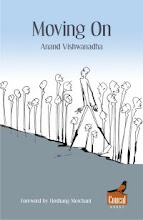
- Anand Vishwanadha
- Hello and welcome! I am someone who is passionate about poetry and motorcycling and I read and write a lot (writing, for me has been a calling, a release and a career). My debut collection of English poems, "Moving On" was published by Coucal Books in December 2009. It can be ordered here My second poetry collection, Ink Dries can be ordered here Leave a comment or do write to me at ahighwayman(at)gmail(dot)com.
Take A Look See
-
-
-
Meet Annie the author9 years ago
-
Poems online5 years ago
-
-
-
-
When to have THE TALK with the kids10 months ago
-
An Analysis of Trump9 years ago
-
-
-
Where journeys end7 months ago
-
-
-
-
-
Indian in Space: A phony Socialist trick14 years ago
-
Recipe – Easy Apple Halwa5 years ago


